The Express Workplace Accessibility Grant (EWAG) is a federal grant from Employment and Social Development Canada (ESDC) that covers up to $50,000 for a project to make a workplace more accessible, with a project duration of up to 12 months. It sits under the Enabling Accessibility Fund and is built for organizations that need to remove a physical or technology barrier now, for an employee or new hire with a disability.
The catch is the funding model. EWAG has up to $5 million in total, split across four regions, and complete applications are screened and approved first come, first served until each regional allocation runs out. A clean, complete file submitted early matters more here than polished writing. This guide covers who can apply, how to scope a project that fits, what to gather before you log in, and the quote and photo rules that trip people up.
EWAG at a glance
Who can apply
Per ESDC's eligibility page, the following can apply:
- For-profit organizations with up to 99 full-time equivalent employees
- Not-for-profit organizations
- Municipalities
- Indigenous organizations, including band councils, tribal councils and self-government entities
- Territorial governments
Not eligible: federal and provincial governments, public schools, home-based childcare centres, public health care facilities and public hospitals, Crown corporations, entities controlled by or on land owned by a federal or provincial government, and residential housing organizations such as condo and co-op boards.
Two other rules to check early. Only one application per location per unique CRA business number is accepted, and you cannot have already received EWAG for the same location. Organizations that share a business number can each apply for different addresses, each with its own GCOS account. If you operate in Alberta, you may need Alberta government approval under the Provincial Priorities Act before accepting the funds.
Is your project a fit
You need to show an immediate need
ESDC looks for an immediate workplace need. The program lists situations where modifications are needed to:
- Retain an employee with a disability
- Accommodate an employee who has developed a disability
- Prepare for a newly hired employee with a disability
- Support an imminent hiring opportunity involving a person with a disability
A further category covers other immediate workplace needs. The published guidance does not state that you must name the employee.
Systemic accessibility, not individual accommodation
This is the distinction that sinks the most ideas. The project must address systemic accessibility, not individual accommodation. ESDC's own example: an ergonomic assessment for one employee is not eligible. In practice, the need can be triggered by one person, but the fix should be a change to the workplace itself that removes a barrier for anyone who uses that space or system.
Eligible activities
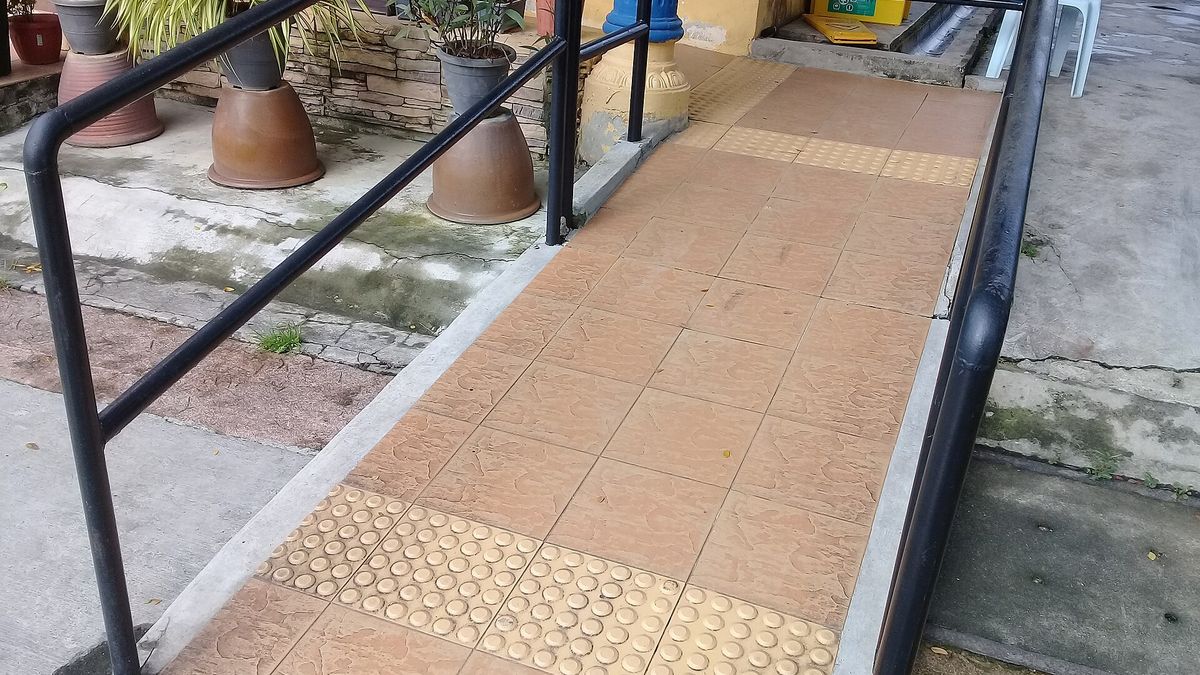
- Construction, renovation or retrofit: ramps, accessible doors, accessible washrooms, elevators, lifts, enhanced lighting for low vision, replacing doorknobs with accessible handles, signage and tactile cues
- Information and communication technology specifically designed to eliminate barriers, such as an audio induction loop in a boardroom
- Equipment specifically designed for persons with disabilities, such as evacuation chairs
What is not covered
Vehicles, aesthetic work and aesthetic landscaping, personal-use work, and profit-making commercial activity are out. So are furniture or equipment without accessibility features (ergonomic chairs, sit-stand desks, lockers, refrigerators, Interac terminals, defibrillators), computers, laptops and tablets, and professional accessibility services such as translation, alternate formats and sign language interpretation.
Eligible and ineligible costs
Eligible costs:
- Professional fees for architects, engineers, construction consultants and contractors
- Construction and renovation materials, supplies and labour (not your own employees' wages)
- Purchase or rental of tools, equipment or machinery
- The non-rebated portion of taxes
- Shipping, where items are not available locally
Ineligible costs include general construction (building envelope work such as new walls, roofs and windows, and rough-in such as plumbing, electrical and HVAC), contingency, training, routine repairs, maintenance and operating costs, rebated GST/HST, land, financing and interest, legal fees, feasibility, planning and marketing studies including environmental assessments, research and development, commercialization and marketing, and your employees' salaries and benefits.
Watch the general construction line. An accessible washroom is an eligible activity, but plumbing and electrical rough-in are listed as ineligible general construction. Ask your contractor to break the quote into line items so the eligible accessibility work is easy to identify.
What to prepare before you open GCOS
ESDC's preparation page lists three required documents. Have all of them ready before you start the form.
- A CRA document showing a valid business number, not more than 2 years old. Organizations already registered in GCOS do not need to provide it (ESDC's checklist says a validated GCOS account, so confirm your status).
- A quote for each activity from a certified or professional contractor. It must show the company name, address, phone, email, HST/GST number, website and licence number if they have them, the quote date, and the activities and costs.
- Photos: at least one digital photo of each space to be modified, showing its current condition before any work starts, for construction, renovation or retrofit work, or images or screenshots of the items to be purchased for ICT or equipment.
The quote rules that trip people up
- Quotes generated by artificial intelligence, or not issued by a real, verifiable business, will not be accepted.
- For items bought from a website, you need a screenshot showing the item, price, shipping and the URL. A hyperlink on its own is not accepted.
- If you cannot get a quote, you must give a rationale. A rationale based on a lack of time to contact contractors is not acceptable.
- You do not need multiple quotes for the same activity. One proper quote per activity is enough.
Build the budget, including contingency you fund yourself
The amount you request cannot exceed $50,000. If the project costs more, you cover the difference and must show evidence of the other funding before the agreement is signed. Total government and other contributions cannot exceed 100% of eligible costs, though leveraging other funding is not required.
ESDC recommends a contingency of approximately 20% of total project cost, but contingency is not an eligible EWAG cost. Plan for that 20% to come out of your own budget, and do not include it in the amount you request.
How first come, first served works
Complete applications are screened and approved in the order received, subject to the funds available in the regional allocation for where the activities take place. ESDC has not published per-region amounts. The Enabling Accessibility Fund page is direct about it: apply as early as possible, as the intake will close as soon as funds run out.
Two things follow from that. First, the word that matters is complete. ESDC may refuse applications deemed incomplete or containing errors, so a file missing a quote or photo puts you at risk. Second, the region is set by the location of the work, not where your head office is. Once a region's allocation is used up, being eligible does not help.
How to apply and what happens next
- Apply online through GCOS, following ESDC's application instructions. If you cannot use GCOS, email your regional Service Canada office and explain why.
- Save the confirmation number. It appears on screen and is sent by email.
- Respond quickly if ESDC asks for missing mandatory information. You have 5 business days to supply it.
- Wait for the funding agreement. ESDC aims to sign agreements within a maximum of 60 business days of receiving the application, and the EAF page says eligible organizations could receive funds within a target of 60 business days after submitting a complete application.
- Start the work only after the agreement is signed, and complete it within 12 months of the agreement start date.
Costs incurred before the funding agreement is signed will not be reimbursed, and the project may no longer be eligible. Any purchase before signing is at your own risk. Decisions are final and there is no appeal.
Common mistakes
- Applying for individual accommodation. An ergonomic setup or assessment for one person is not eligible. Frame the project around removing a barrier in the workplace.
- Weak or invalid quotes. Missing HST/GST numbers or dates, AI-generated estimates, or a bare product link.
- No before photos of each space being modified.
- Requesting contingency or general construction. Both are ineligible, and including them muddies the budget.
- Buying early. Ordering equipment or booking the contractor's work before the agreement is signed puts the whole project at risk.
- Waiting on paperwork. In a first-come, first-served intake, a stale CRA document or a missing quote costs you position.
- Missing the readiness window. The project must be ready to start within 6 months of submitting.
A realistic timeline
The program sets the outer limits: ready to start within 6 months of applying, a target of up to 60 business days to sign the agreement, and completion within 12 months of the agreement start date. The internal schedule below is our suggestion for a small business, not a program rule.
- Week 1 (our suggestion): confirm the need and that the fix is systemic, check your business size and location, pull a current CRA business number document, and take before photos of each space showing its current condition.
- Weeks 1 to 3 (our suggestion): get one proper quote per activity from a real contractor or supplier, with line items that separate accessibility work from general construction.
- Week 3 or 4 (our suggestion): build the budget, set aside your own 20% contingency, and submit in GCOS. Keep someone available to answer any ESDC request within 5 business days.
- After submission: allow up to 60 business days for the agreement. Hold all purchases until it is signed.
- After signing: schedule the work so it is finished well inside the 12-month window.
If EWAG does not fit your project, or the regional funds have run out, use our grant finder to look for other programs, and if the bigger cost is the hire itself, our wage subsidy guide covers another option.
Frequently asked questions
How much is the Express Workplace Accessibility Grant?
EWAG covers up to $50,000 per project, for a project lasting up to 12 months. The total envelope is up to $5 million, allocated by region.
Is EWAG still open in 2026?
As of ESDC's pages modified November 3, 2026, intake is continuous and open. It closes as soon as funds run out, so check the official page before you apply.
Can a small business apply for EWAG?
Yes. For-profit organizations with up to 99 full-time equivalent employees are eligible, along with not-for-profits, municipalities, Indigenous organizations and territorial governments.
Can I use EWAG for an ergonomic chair or a sit-stand desk?
No. Furniture without accessibility features is ineligible, and the project must address systemic accessibility rather than an individual accommodation.
Do I need more than one quote?
No. You need one quote per activity from a certified or professional contractor, with the contractor's full details. AI-generated quotes or quotes from businesses that are not real and verifiable are not accepted.
Can I start the work before I hear back?
You can, but costs incurred before the funding agreement is signed will not be reimbursed and the project may no longer be eligible. ESDC aims to sign agreements within 60 business days of receiving the application.
Want a second pair of eyes before you file?
Book a call and we will go through your project, quotes and photos with you. We cannot promise an outcome.
Book a free 30-minute consult →